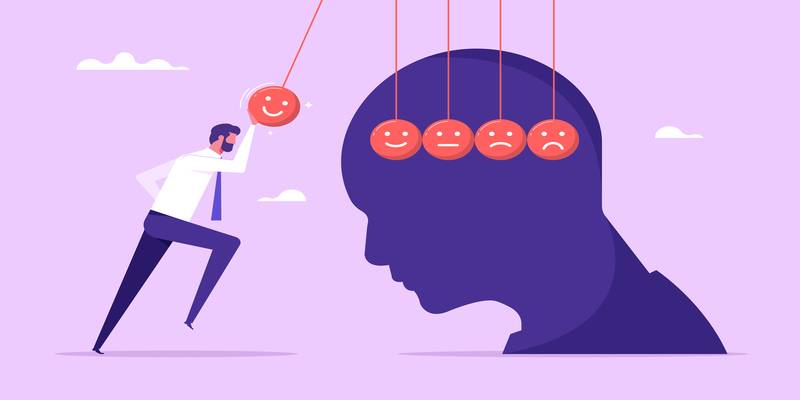
Sacrificing sleep for some ‘me time’? You’re not alone!
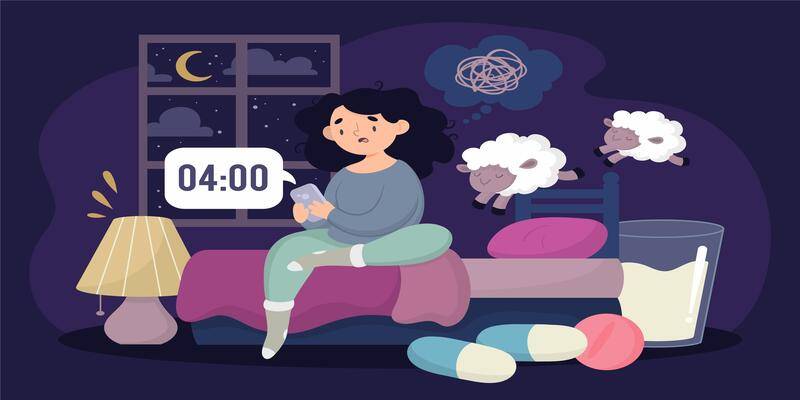
It’s past midnight, and you should be asleep. Instead, here you are, scrolling through social media, watching one more episode, or reading this article. You know you’ll regret it in the morning, but the temptation of stolen moments of solitude is too strong to resist, isn’t it? The hours slip away, and exhaustion becomes an afterthought. This self-sabotaging cycle, now widely known as revenge bedtime procrastination, has become an all-too-familiar habit in modern life. The term itself originated in China as a way to describe how overworked individuals, particularly those with demanding jobs and little free time during the day, deliberately delayed their sleep as an act of quiet rebellion. It’s not just about procrastination, it’s about control.
In a world where work, responsibilities, and endless obligations consume the daylight hours, the night becomes the only time left for personal indulgence. Whether it’s binge-watching a favourite show, aimlessly scrolling through social media, or simply sitting in silence, those late-night hours feel like a stolen luxury, even at the cost of sleep.
For many, this phenomenon is not just about entertainment but about autonomy. People with little control over their daytime schedules — working professionals drowning in deadlines, parents juggling endless responsibilities, students buried under coursework — often find that the late-night hours are their only moment of escape. It’s the time when the world is quiet, demands fade away, and they can exist solely for themselves. But the irony is inescapable — this so-called freedom comes at a cost.
The following morning brings fatigue, grogginess, and a cycle that inevitably repeats itself. There is something deeply psychological about this habit. The human brain is wired to seek pleasure, and after a long day of routine, stress, and structure, the need for unwinding often overrides logic. Even though the body craves rest, the mind resists, clinging to the last remnants of the day feels like an attempt to reclaim a sense of self.
It’s a pattern that has only intensified in the digital age, where entertainment, distraction, and stimulation are available at the swipe of a finger. The infinite scroll of social media, the autoplay of streaming platforms, and the addictive nature of online content make it far too easy to lose track of time. Over time, the effects of revenge bedtime procrastination can be serious.
Chronic sleep deprivation doesn’t just make you tired; it weakens your immune system, affects memory and focus. It increases the risk of heart diseases and even contributes to mental health issues like anxiety and depression. What starts as a small act of rebellion can quietly snowball into bigger health concerns, impacting every part of life from work performance to emotional well-being. The body keeps score, and sooner or later, it demands what it’s owed.
The good news? This cycle can be broken with small, conscious changes. Setting a consistent bedtime, creating a relaxing nighttime routine, and limiting screen time an hour before bed can make a real difference. Practising mindfulness and carving out little pockets of ‘me time’ during the day, even if it’s just a short walk, a quick journal entry, or a 10-minute meditation, can help reduce the need to reclaim those late-night hours. Sleep isn’t a luxury; it’s a basic need. And in the long run, giving yourself permission to rest is the ultimate form of self-care.