The journey of a global citizen: Mr. Hung Chiu Wah Derek
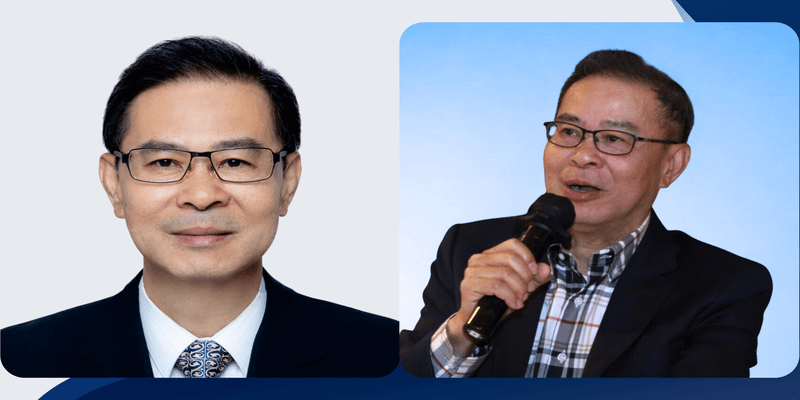
The world is a global village. It’s slowly yet surely becoming a melting pot of cultures and heritages. As these cultures collide and collaborate, diplomacy emerges as a strong link that upholds the diversity the world holds. In such circumstances, there are only a few individuals who dedicate themselves to building bridges that stand the test of time. Igniting unity amongst cultures, such individuals ensure that the phrase “the world is our family” lives to be true in all its glory. Mr. Hung Chiu Wah Derek is one such name.
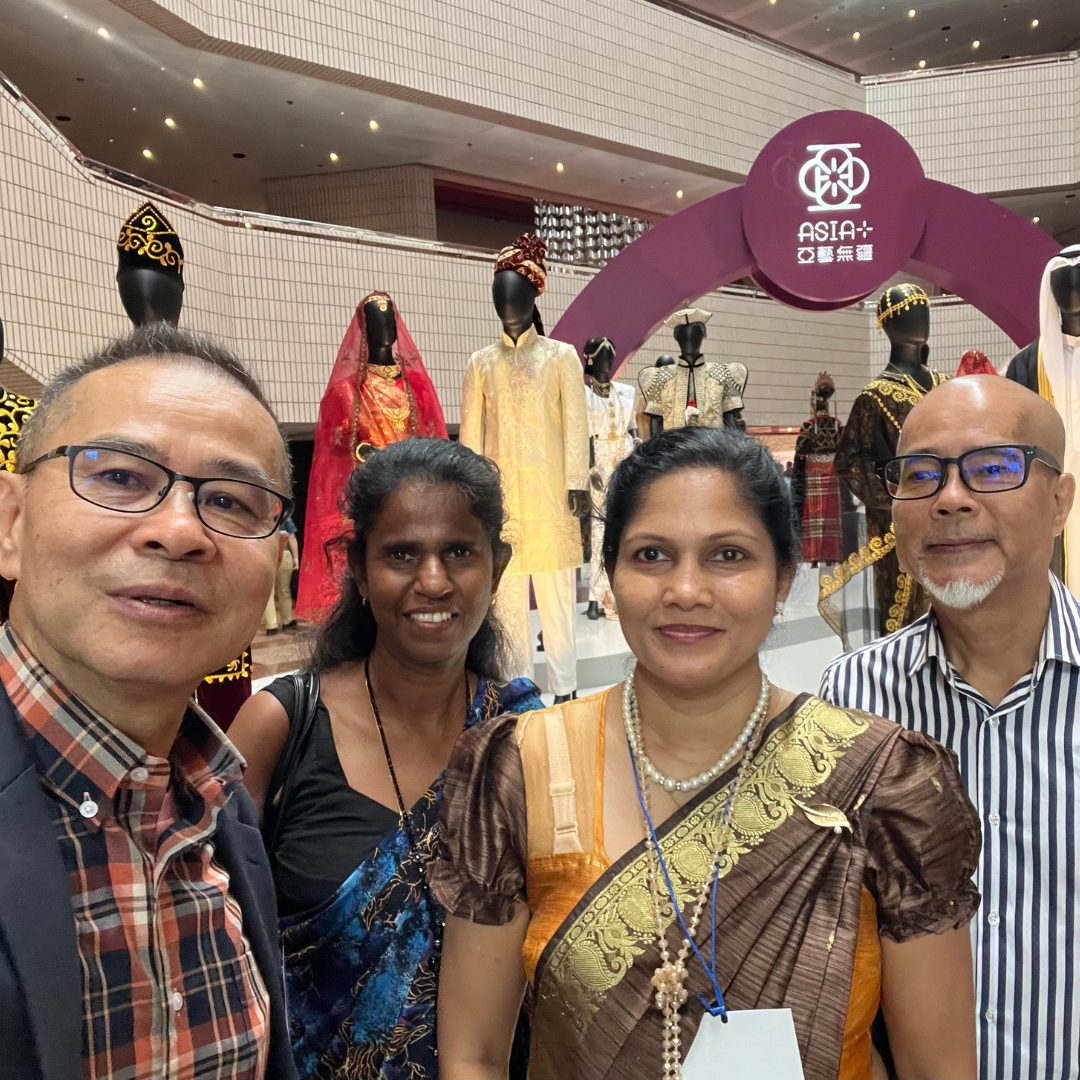
Hung has come a long way and has had a glorious journey rooted in public service. Starting as a marine working through oceanic currents, he is now navigating diplomatic landscapes as the Honorary Consul of Sri Lanka in Hong Kong and Macao. His story just doesn’t teach us to lead with empathy, it shows us the true meaning of being a global citizen. It’s a reminder that one man’s mission can foster harmony across and within borders.
Hong Kong as a city welcomes all communities with open arms. It’s a hub where everyone flourishes and harmony blooms in all corners. Here, Hung has become a voice for inclusivity and international cooperation. Be it working hard for cultural exchange, enhancing trade, or celebrating the richness of Sri Lankan culture, his initiatives are more than just a call of duty. They are driven by passion. This is not just a story of a man with a title. It’s the story of a visionary who believes that real power lies in heart-to-heart connections. In his own words, here’s how he has helped cultural identities in Hong Kong, especially the Sri Lankan community.
Tell us about your formative days and what was your aim when you were growing up.
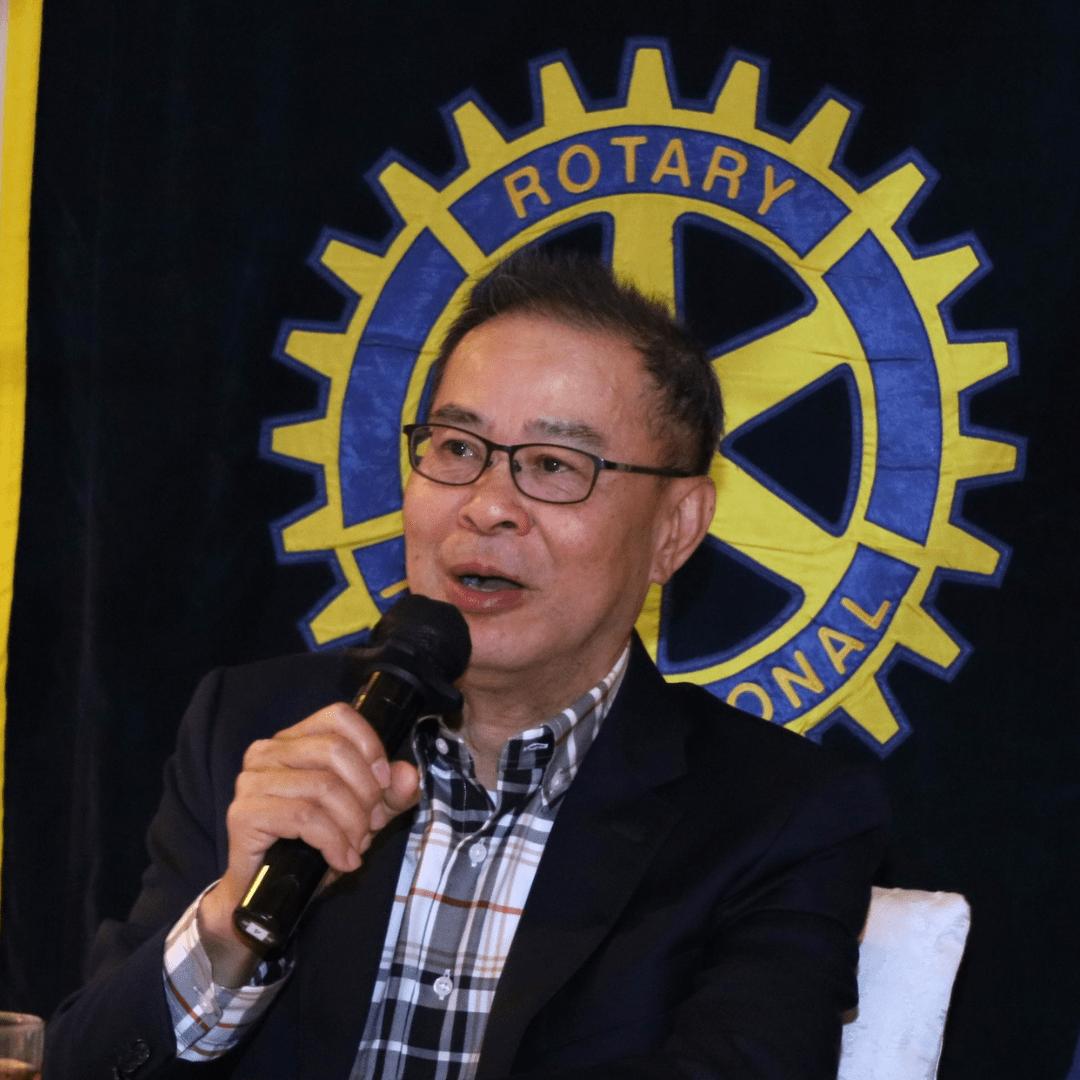
I grew up in a humble family and began my career as a marine officer, serving on super tankers for over a decade. In the early 1990s, I ventured into entrepreneurship, founding a business in audio and video recording media. Later, I transitioned to public service, serving as an elected District Councillor for Yau Tsim Mong from 2008 to 2023. During this time, I mainly focused on fostering racial harmony and celebrating ethnic diversity within the community.
When and how did you end up being the Honorary Consul of Sri Lanka in Hong Kong and Macao?
My work with ethnic minorities deepened my appreciation for Sri Lanka’s vibrant culture and historical legacy. Driven by a passion for bridging the gap between communities, I pursued my further studies in international relations and diplomacy. Over the years, my cross-cultural initiatives and efforts to strengthen ties between Asia and South Asia culminated in my appointment as Honorary Consul of Sri Lanka in Hong Kong and Macao. This role aligns with my lifelong mission to connect people and cultures, formalising my commitment to enhancing Sri Lanka’s presence in Hong Kong through dialogue, collaboration, and mutual respect.
How long have you been in this position?
I was honoured to be appointed as the Honorary Consul of Sri Lanka for Hong Kong and Macao a year ago in 2024. It has been a privilege to serve the Sri Lankan community in Hong Kong while deepening bilateral relations.
Tell us about some of your key projects.
A flagship initiative is the Sri Lanka-Hong Kong Trade Corridor, which streamlines partnerships through tailored tariff policies and promotes investment in sectors such as tourism, AI technology, environmental protection, and sustainable agriculture. Another cornerstone is our Cultural Exchange Programme, which highlights Sri Lankan art, dance, and cuisine through festivals and workshops. Additionally, we’ve launched a scholarship scheme to support Sri Lankan students pursuing higher education in Hong Kong, fostering academic excellence and cross-border mobility. These projects are designed to deliver economic and social value for both Sri Lanka and Hong Kong.
What were the major problems you had to tackle at the inception of these projects?
Initial challenges included raising awareness of Sri Lanka’s untapped potential in Hong Kong, navigating bureaucratic processes with the Sri Lankan Embassy in Beijing, and addressing complex labour contract
validations. Aligning stakeholders across governments and private sectors demanded persistent dialogue and problem-solving. Misconceptions about Sri Lanka’s geopolitical landscape and post-pandemic recovery also posed hurdles in securing investor confidence early on.
How did you overcome these challenges?
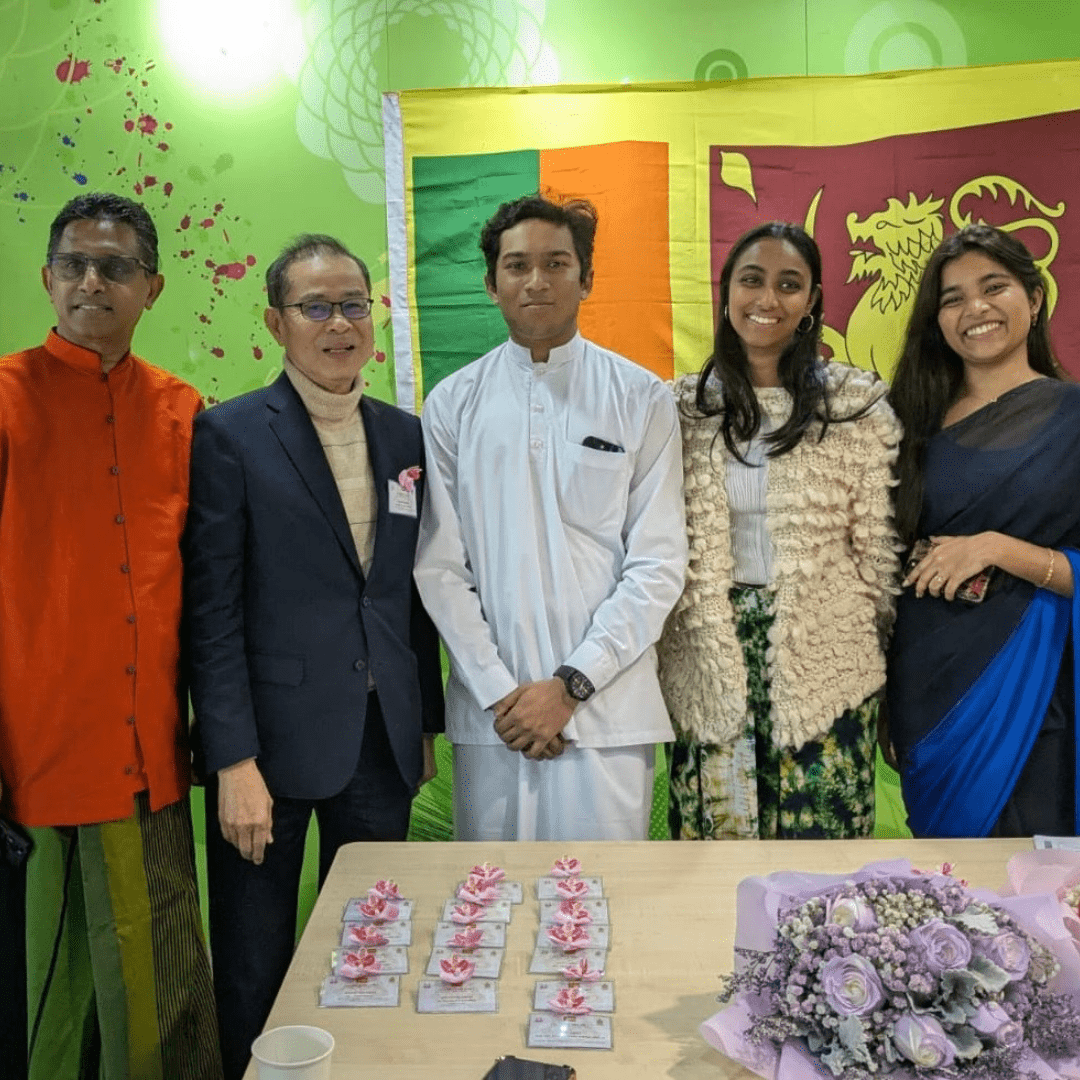
Collaboration was pivotal. I engaged directly with the Sri Lankan Embassy in Beijing, consulting with the Ambassador to address procedural bottlenecks. Organising high-profile roundtables with business leaders and diplomats helped clarify concerns. To build trust, we participated in pilot projects such as Sri Lankan food festival and promoted SME partnerships through exhibitions for jewellery, gifts, and premium products. Leveraging Hong Kong’s vibrant civil society and media, we spotlight Sri Lanka’s strengths, transforming scepticism into tangible opportunities.
Tell us about your recent talks with the Sri Lankan universities.
During a recent visit to the University of Kelaniya and its Confucius Institute in Sri Lanka, I met with the vice-chancellor and some senior professors to explore student-exchange scholarships with the universities in Hong Kong and Macao. The discussions underscored our vision of academic collaboration and the Confucius Institute’s role in fostering cultural ties. I also championed cultural diplomacy through a film — Gate of Nine Dragons: Searching for Kung-Fu. Produced by an American director, the film revolves around martial arts as a symbol of tolerance, non-violence, and peace. The theme aligns with our thought to use art and culture as platforms for international friendship.
What is the expected timeline to see student exchange programmes commence?
We are actively liaising with institutions like the Hong Kong Polytechnic University (where I received my Master’s Degree in Chinese Culture) to secure resources and funding. A pilot scholarship scheme is underway, with a dedicated task force finalising the application framework. Pending approvals, we aim to launch the first cohort by this summer, ensuring a seamless experience for selected students.
How are Sri Lanka and Hong Kong’s relations being strengthened?
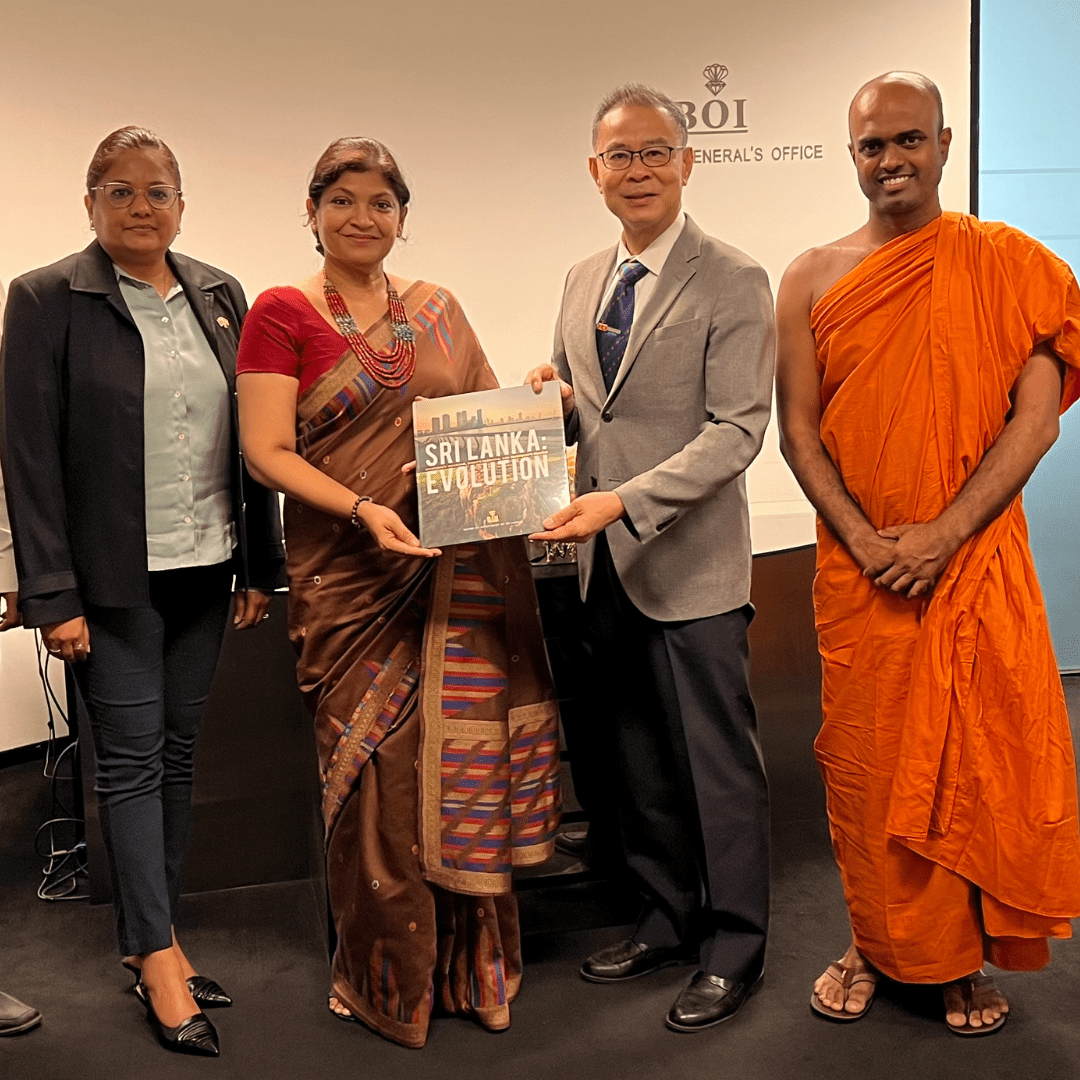
Bilateral ties are flourishing through trade in gemstones, tea, and foodstuffs, alongside Hong Kong investments in Sri Lankan infrastructure, renewable energy, and material recycling projects. During my recent meeting with Sri Lanka’s Director General of the Board of Investment, we identified high-potential sectors for collaboration. Tourism remains a key pillar, leveraging Sri Lanka’s tropical climate, religious heritage, and natural beauty to attract Hongkongers.
Your message to Hongkongers, telling them about Sri Lanka and its rich culture.
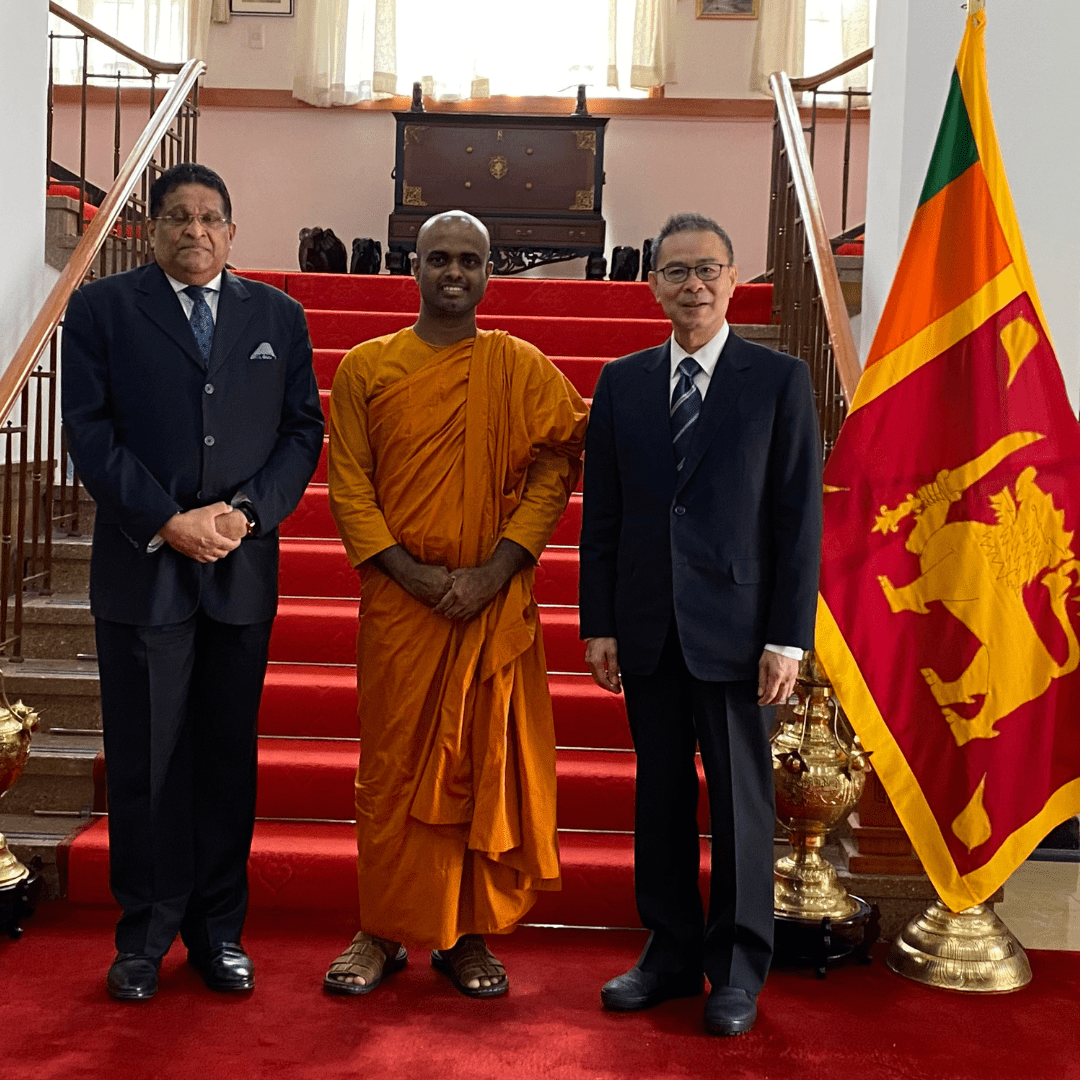
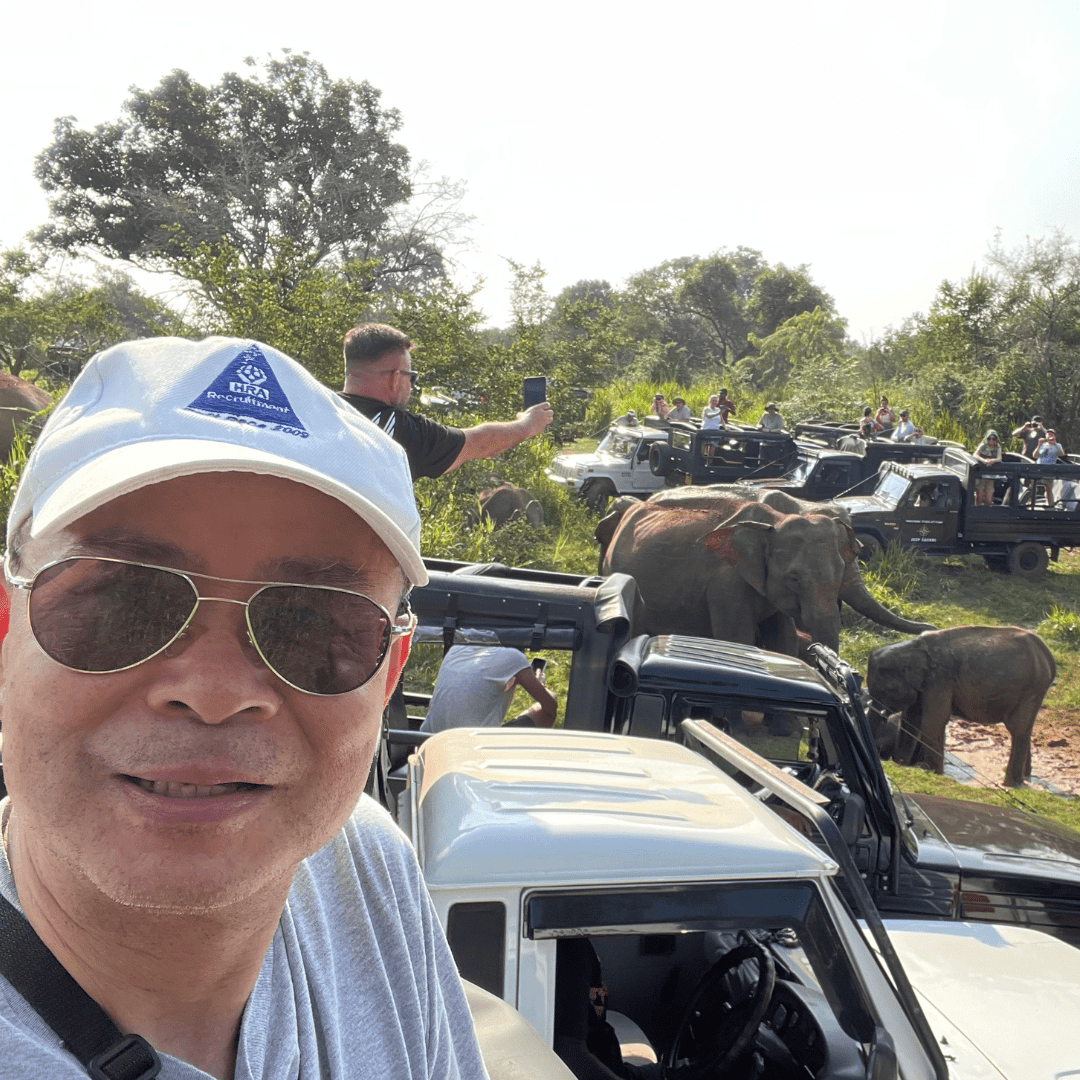
Sri Lanka is a land of ancient heritage, breathtaking landscapes, and warm hospitality. Beyond its iconic tea fields and sun-kissed beaches, it offers a blend of Buddhist serenity, colonial charm, and culinary vibrancy. During my recent visit to Colombo, I met with Sri Lanka’s Foreign Minister and senior officials, and toured projects like the Colombo International Container Terminal and Port City Colombo. These interactions revealed the country’s dynamic economic aspirations and untapped potential. I invite Hongkongers to explore Sri Lanka not just as visitors, but as partners in innovation, education, and sustainability — there is so much we can learn and achieve together.
What is the one thing you would like to tell the Hong Kong community?
As a board member of the Hong Kong Association for External Friendship, I believe Hong Kong’s ethnic diversity positions it uniquely to advance global people-to-people diplomacy. Let’s harness this strength to deepen ties with nations like Sri Lanka. I urge Hongkongers to engage proactively — visit, invest, collaborate, and join us in building bridges.